How the oral storytelling tradition shaped Busisiwe Ngwenya’s craft
There is a strange expectation we often place on writers. We imagine them as people overflowing with words; charismatic storytellers who effortlessly dominate every conversation. After all, how could someone who fills hundreds of pages with beautiful prose not also fill every room they enter?
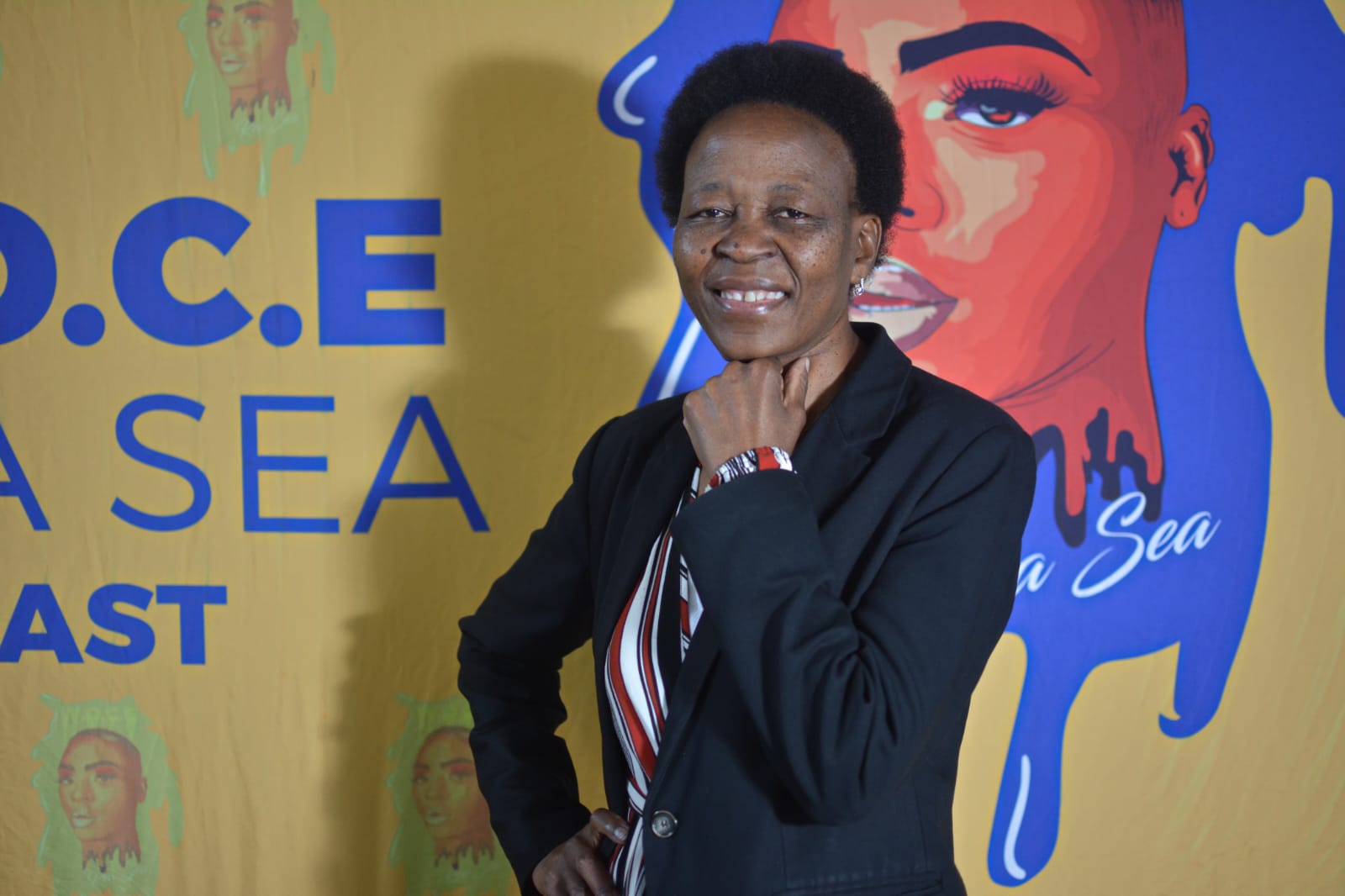
Meeting Busisiwe Ngwenya challenged that assumption. The first time we spoke was over the phone. Her voice carried confidence and authority. It was firm and commanding enough that I unconsciously began constructing an image of the person on the other end of the line. By the time we arranged to meet, I expected someone with an equally imposing physical presence.
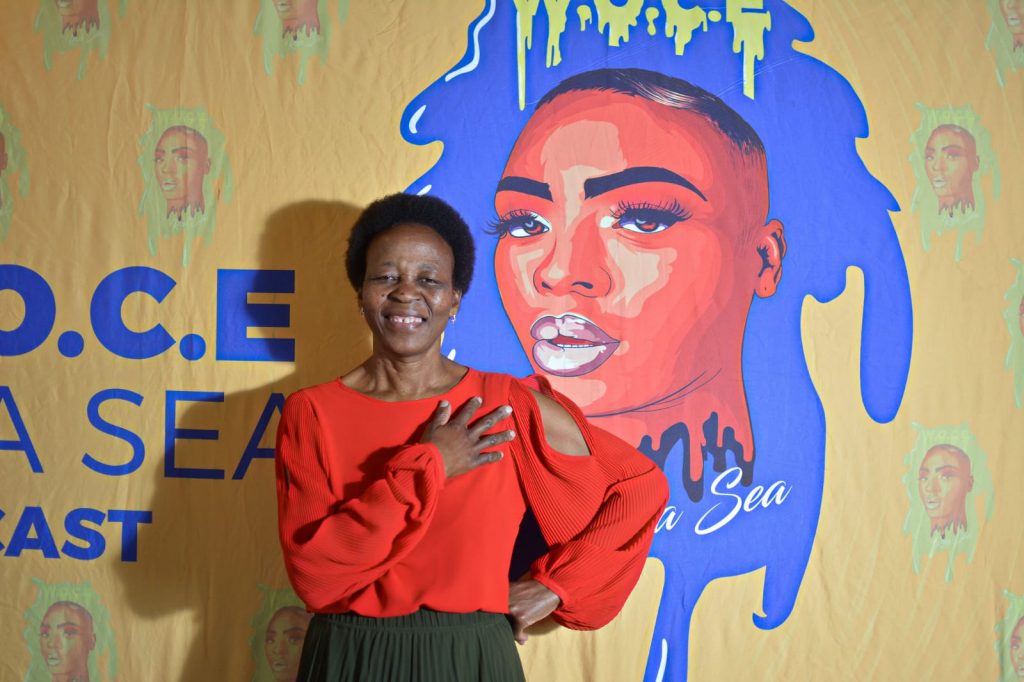
Instead, I was greeted by a softly spoken, elegant woman whose quietness immediately drew attention. She possessed none of the loudness I had imagined, yet she somehow occupied the space completely. She listened more than she spoke, never interrupting, carefully considering every question before answering.
There was a calmness about her that lingered long after our conversation ended; a patience that felt increasingly rare in a world obsessed with being heard. Sometimes the people who speak the least leave the deepest impressions; that’s Busisiwe Ngwenya.
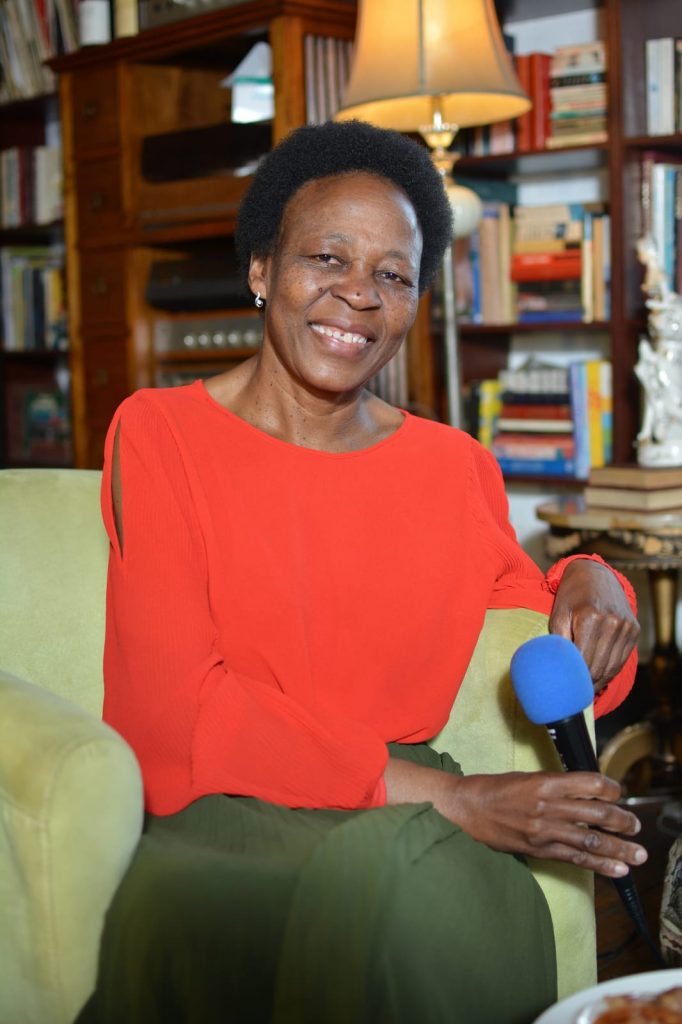
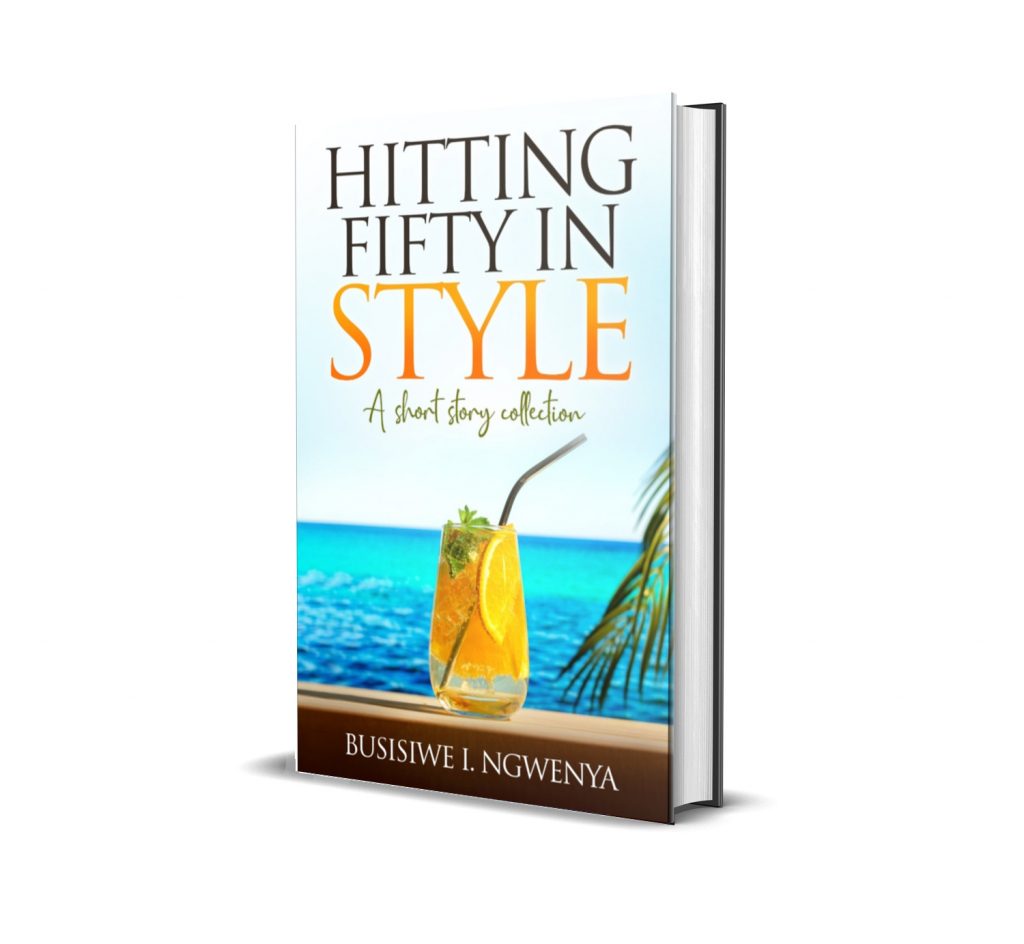
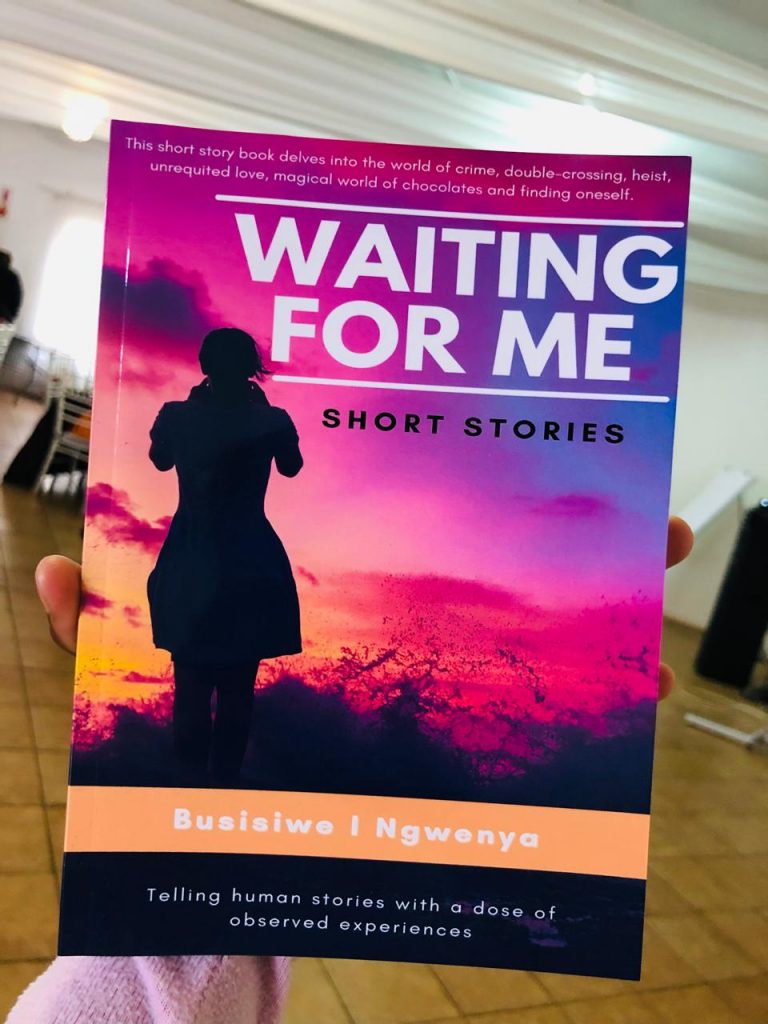
An accomplished author, speaker and B-BBEE consultant, Ngwenya has steadily built an impressive literary catalogue. She is the author of Triumph of a Deserving Person, Waiting For Me and Hitting Fifty in Style, all available on Amazon Kindle.
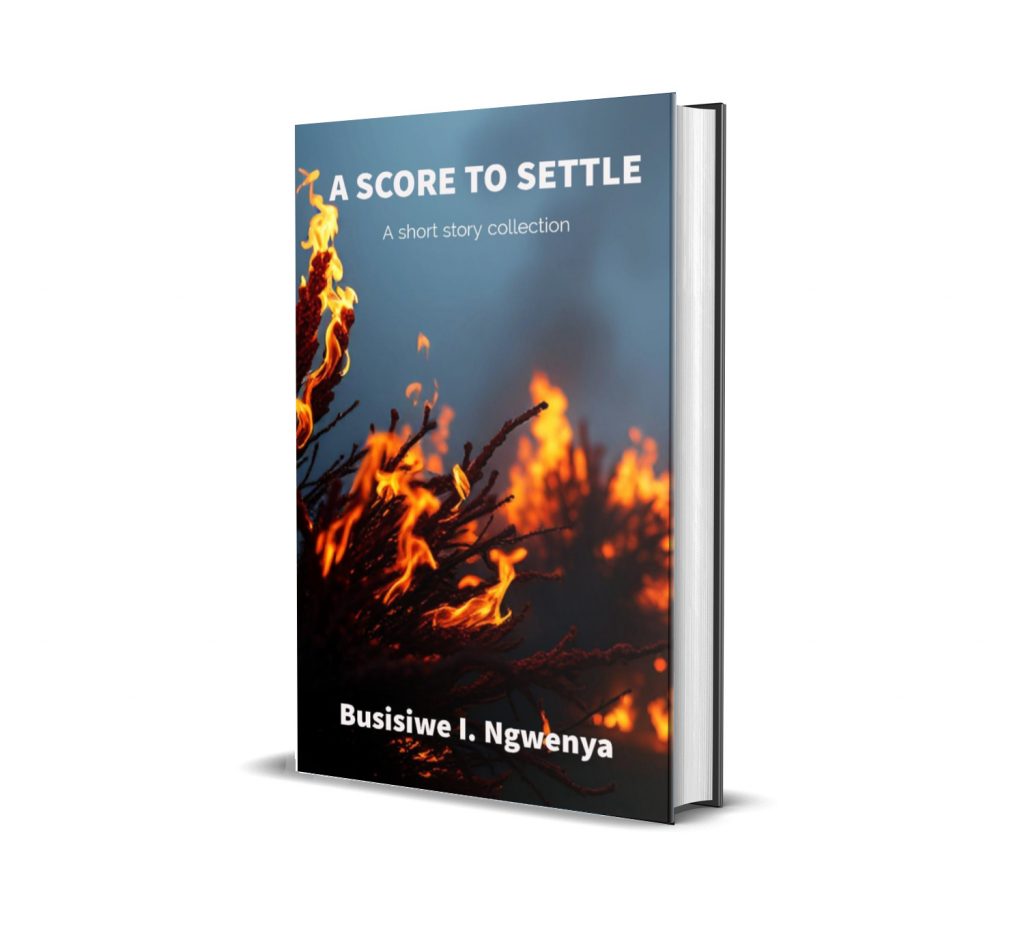
Her bibliography has since expanded to include Bound by the Womb, a collection of poetry, I Am Me, a deeply personal mini-memoir exploring life as a pastor’s child; and A Score to Settle, another collection of short stories. Her work has also appeared in several anthologies and literary publications, including Publish’d Afrika Magazine, Spoiling the Broth Anthology, Boulevard of Broken Dreams Poetry Anthology, Harmonious Melodies Poetry Anthology and the 320 Days of Sunshine Anthology.
Beyond writing, she serves on the executive committees of the Tshwane Authors Association and Gauteng LITASA, while also belonging to the ImPower’d Woman Book Club. Yet despite these accomplishments, there is no trace of self-importance about her. Instead, she speaks about writing with the humility of someone who understands that storytelling is both a calling and a craft.
When talent first whispered
Long before Busisiwe Ngwenya ever thought of publishing books, she was captivated by stories. Growing up, she was fascinated by traditional Zulu storytelling. Before stories found their way into books, they lived in the voices of elders who gathered children to share tales rich with wisdom, humour and life lessons.
Those evenings of oral storytelling awakened something within her. They taught her that stories could preserve history, shape character, and inspire imagination.“My interest in storytelling began with listening to Zulu stories,” she recalls. “That is where it all started.”
Inspired by those stories, Ngwenya began creating her own. While she was in Grade 8 (then Standard 6), she wrote her first short story and entered it into a Drum magazine writing competition. The story centred on a pastor accused of sexually abusing a church member. Though fictional, it was inspired by true events and tackled a subject that was considered highly controversial at the time.
“It was probably too advanced for its time because these social ills were largely unheard of,” she says. “For a young woman to write about something like that was taboo.”
The story won the competition and was published in Drum. For many South Africans, Drum is more than a magazine. It has long been one of the country’s most influential cultural publications, nurturing generations of journalists and storytellers while documenting Black South African life through changing political and social landscapes.
For a young schoolgirl to see her work published there was no ordinary achievement; it was an early affirmation that her voice mattered. Along with the R200 prize money came something far more valuable: confirmation that the little girl who had once sat captivated by Zulu folktales had found the medium through which she would tell stories of her own. Ironically, writing was not her first dream.
“I actually wanted to become an actress.” She smiles as she remembers how the revelation shocked her father, a pastor. Though initially reluctant, he supported her ambitions. However, that dream was cut short after she unknowingly enrolled at what turned out to be a fly-by-night acting school. The experience reinforced his concerns about the entertainment industry. “My hopes of becoming a film star were thwarted just like that.” Her parents encouraged her to focus on her education, and for a time she stepped away from her artistic ambitions. Dancing became her creative outlet, but storytelling never truly left her.
Gift or skill?
Ngwenya’s academic journey includes a BTech in Corporate Administration, a certificate in short story writing and an Executive Development Programme certificate. Her qualifications naturally raise an interesting question. Is writing purely a gift, or can it be taught? Her answer suggests that talent may open the door, but discipline keeps it open.
Working in corporate environments has fundamentally changed how she approaches her creative work. “It has helped me to look at my work as projects with deadlines and actually meet those deadlines,” she explains. “I’ve learned that talent alone is not enough. One requires a great deal of discipline to get a book published.”
Formal training, she says, transformed her from a naturally gifted storyteller into a technically skilled writer. “My writing is no longer naïve. It’s polished. I’m able to keep my readers in suspense through the techniques that I’ve learned.” It is a reminder that inspiration may begin the writing process, but craftsmanship sustains it.
Poetry with a purpose
One of Ngwenya’s most thought-provoking poems, Drugs Destroy Dreams, confronts the devastating impact of substance abuse while refusing to treat addiction as an isolated problem. Instead, it asks difficult questions about parenting. She believes many behavioural problems begin long before drugs enter the picture.
Sometimes, she says, parents attempt to compensate materially for what they cannot offer emotionally. In doing so, discipline is neglected. Others unknowingly burden their children with the weight of unrealised ambitions, expecting them to fulfil dreams that were never their own. “When parents live vicariously through their children,” she explains, “the pressure leaves very little room for mistakes. Children can’t simply be children.”
One line from the poem continued to echo in my mind: “Dreams unfulfilled and squandered by your elders.” It is a haunting observation that shifts responsibility away from simplistic explanations and asks adults to examine the environments they create for the next generation. Rather than assigning blame, Ngwenya invites reflection.
More than writing books
For Ngwenya, literature does not exist in isolation. Her involvement with the Tshwane Authors Association and Gauteng LITASA reflects her commitment to strengthening South Africa’s literary community. Organisations such as these provide writers with opportunities for mentorship, collaboration and professional development while helping preserve and promote local storytelling.
They also remind aspiring authors that writing may be a solitary pursuit, but building a literary culture is a collective responsibility. It is fitting that someone so invested in nurturing stories also invests in nurturing storytellers.
The quiet lesson
As our conversation came to an end, I found myself reflecting less on the books she had written and more on the woman herself. We often confuse volume with influence. Busisiwe Ngwenya reminded me that the opposite can be true. Perhaps that is why her presence remained with me long after we parted.
The little girl who once sat listening to Zulu folktales now writes stories that will one day be told by others. There is something beautifully cyclical about that. The tradition that first inspired her has become the legacy she is helping to preserve.

Leave a Reply